

Free Kindle Day: Think Like an Affiliate Manager, Ahead of Affiliate Summit East
July 20, 2026
Affiliate Program Management From the Manager’s Seat
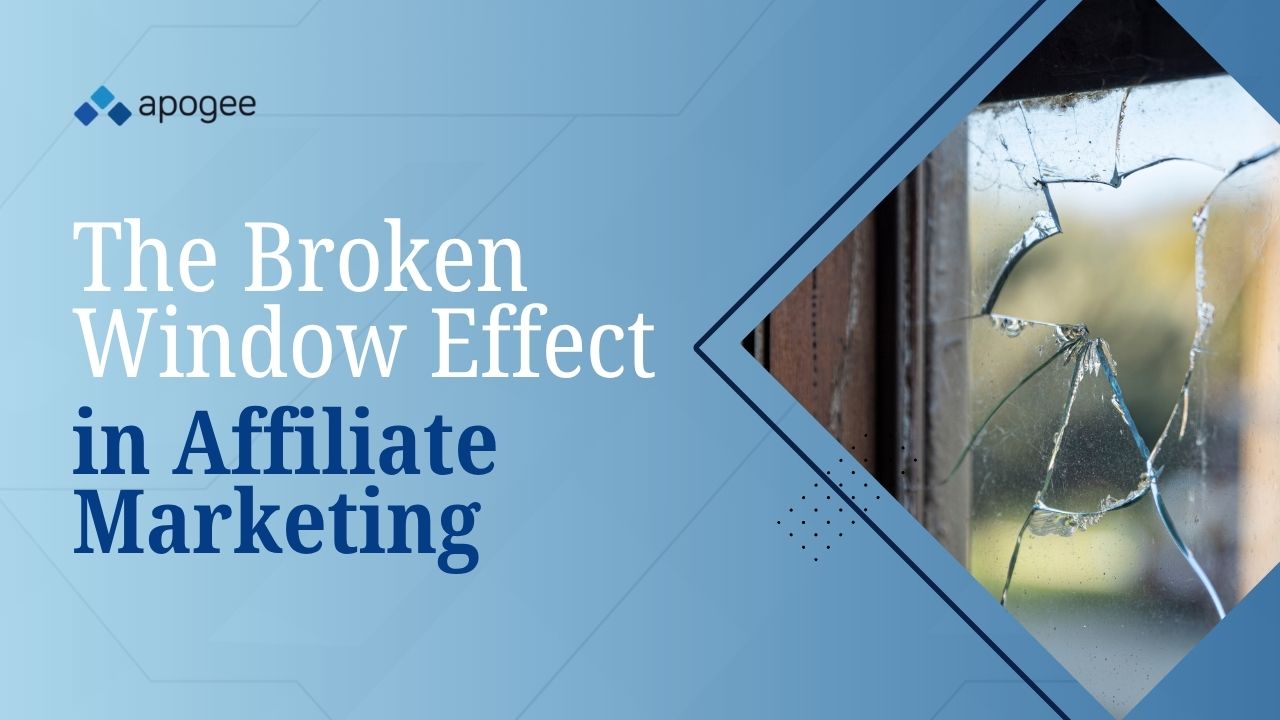
July 31, 2026James Q. Wilson and George Kelling published the broken window theory in 1982. Their argument was simple. One broken window left unrepaired signals that nobody is watching. More windows break. Disorder spreads. The same pattern shows up in affiliate programs that nobody actively manages.
An affiliate program is not a set-and-forget channel. It is a marketplace with thousands of partners, some legitimate and some looking for the first sign that no one is checking their work. When a brand launches a program and hands oversight to someone without the time or training to police it, the first violation goes unnoticed. Then the second. Within a few months, the program looks nothing like what the brand approved.
Trademark poaching is usually the first crack. An affiliate bids on the brand's own name in paid search, intercepts traffic that would have converted anyway, and collects a commission on a sale the brand would have made anyway. Left unchecked, more affiliates copy the tactic once they see it working for a competitor's program.
Browser extension abuse follows a similar path. Cookie-stuffing extensions insert an affiliate's tracking code without the shopper's knowledge, often at the last click before checkout. The affiliate did nothing to earn the sale. A program without a review process can run for years without anyone noticing the payout pattern.
Coupon and loyalty partners test the boundaries next. They post expired codes, exaggerate discount claims, or migrate content into unauthorized categories. None of this requires technical skill. It requires only the observation that enforcement is absent.
Affiliates talk to each other. Reddit, Slack groups, and private networks share notes on which programs enforce their terms and which ones do not. A program known for lax oversight attracts more of the same behavior, not less. This is the mechanism Wilson and Kelling described: the absence of correction reads as permission.
Someone has to own program hygiene as a real job function, not an item on a longer list. That means reviewing new applications against clear criteria, auditing top earners on a schedule, tracking bottom-funnel partner concentration so coupon and cashback affiliates do not crowd out the partners actually building brand reach, and enforcing terms consistently the first time a violation appears.
Most in-house marketing teams do not have room for this. The person managing affiliate is usually managing paid social, email, and three other channels at the same time. It is a staffing reality, and it is exactly how broken windows start.
An unmanaged affiliate program does not remain neutral. It degrades in a specific, predictable direction, and the cost shows up as margin lost to partners who never earned it.