

Ten Priorities to Evaluate When Choosing a Creator Marketing Agency
April 29, 2026
Reddit Is Not a Social Media Channel. It’s Infrastructure.
June 10, 2026The announcement that Rakuten Advertising and Impact.com are forming a strategic alliance has drawn attention and mixed reactions across the affiliate industry. Rakuten will migrate its 2,000 programs and continue its networked managed service for many of them, while Impact will provide the underlying platform for contracting, tracking, and payments. Instead of being a network, Rakuten is becoming one of the world's largest agencies.

Two thousand programs are about to enter the same migration window simultaneously. The first 90 days will determine which ones come out stronger and which come out weaker than before. Now is the time to educate yourself on the fundamentals, because the decisions you make during this window will set the program's direction for the next several years.
Start with the fundamentals
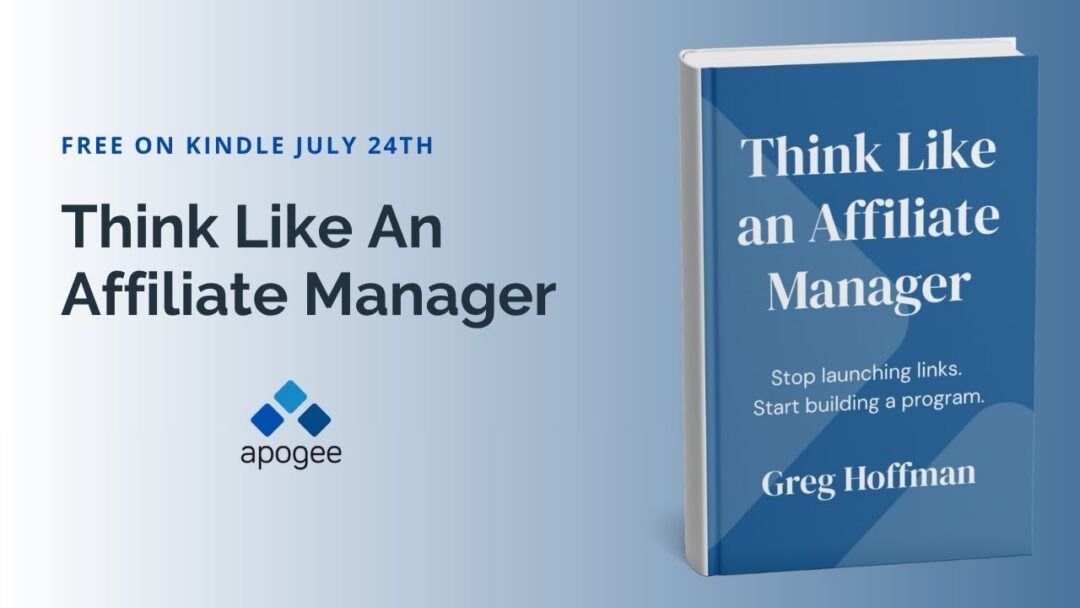
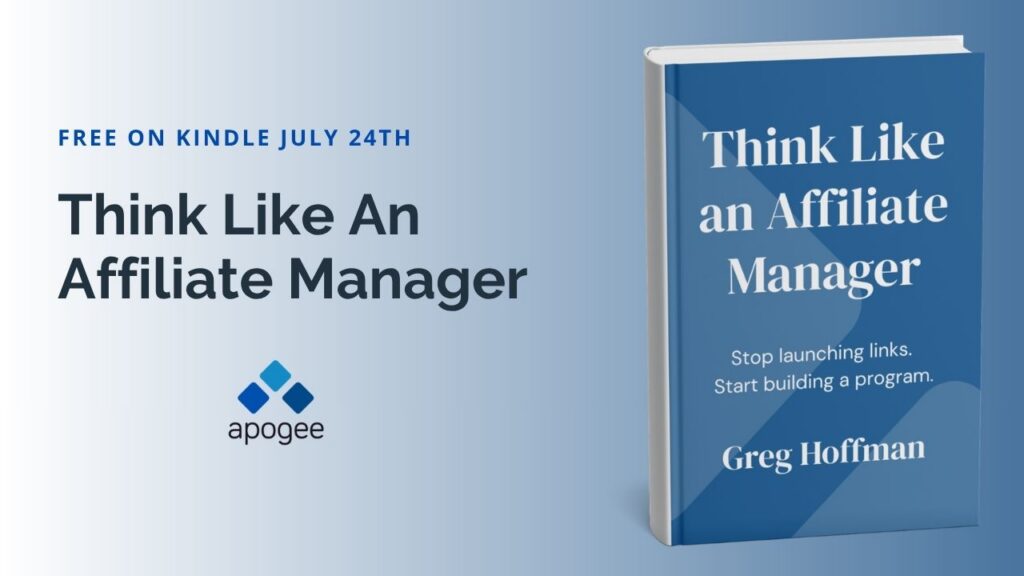
Before any migration project begins, the people responsible for the program need to understand what makes affiliate programs work. That is what Think Like an Affiliate Manager was written for. It gives in-house managers, marketing directors, and brand owners the same working knowledge that experienced affiliate managers spend years acquiring, without the trial-and-error costs of learning it on the job.
The book covers what to do before you launch, why most programs stall in the first four months, how to recruit partners who actually drive sales, what separates a productive affiliate relationship from a wasted one, and how to read program data without chasing the wrong numbers. Every one of those topics is relevant during a migration. Partner mix, commission structure, tracking discipline, and program governance are all under review during the move, and those are the areas that determine long-term performance.
The brands that emerge from this migration in the strongest position will be those whose decision-makers understand the fundamentals before the technical work begins.
A platform with more room to grow
Impact brings a level of flexibility that expands what many programs can do. Dynamic commissioning by partner type, SKU, customer status, or promotional period. Rules that fire based on event sequences rather than just the last click. Stronger support for creators and influencers. Reporting that supports a real conversation about partner contribution. The Rakuten platform was built on the Linkshare model from more than 20 years ago, and it has not kept up. None of these capabilities is new in Impact, but they have been out of reach for most Rakuten advertisers, and the migration finally puts them on the table.
A practical reset point for long-standing programs
For long-standing Rakuten advertisers, this is also a practical reset point. Most affiliate programs accumulate legacy decisions over time. Programs that have been running for five, ten, or fifteen years are carrying decisions made by people who no longer work at the company. Commission rates were set for a different margin profile. Partner approvals were granted in a hurry. Promotional rules were written for campaigns that ended years ago. Tracking configurations were built for a different measurement environment. None of that gets cleaned up during normal operations because there is no forcing function. A platform migration is the forcing function.
A note on what this means for the agency landscape
The large agencies are in a panic about two things. Will Rakuten Managed Services steal clients from them in the future? And who will win in the rush to court the 2,000 Rakuten programs and steal from the managed services division? Both reactions are predictable. I think Rakuten will survive, but not thrive, hanging on while the real agencies pick at them with better service and experience using Impact.
As an agency owner, I'm biased: network-managed services have never been great. All of the audits we have performed show that network managers favor network-owned or favored properties, such as cash-back or loyalty sites, over the middle tier of content-based partners. Brands pay the cost in partner mix, in funnel coverage, and in long-term program health.
I have never been a fan of Ebates, Rakuten, or network-managed services in general. Though I am a fan of Impact and have managed programs there for more than ten years. I see this as an overall win in the industry.
Hire Apogee for the 90-day migration project
This is the work we do. Hire us for the 90-day migration project. We will audit your current program, determine which partners added the most value, and work with them to migrate to the new platform. Corporate affiliates will already have logins to Impact, but niche content partners who joined specific programs may have a harder time navigating the new dashboards. That is where Apogee comes in. We nurture these partners through the migration so you do not lose their trust or their promotions.
The partners most at risk of falling out during a migration are the ones that matter most for long-term program health. Content sites, niche reviewers, smaller creators, and category-specific publishers do not have dedicated account teams pushing them through transitions. They tend to drop off quietly. A focused migration project keeps them engaged, sets them up on the new platform, and protects their existing placements.
Apogee moved most of our legacy ShareASale clients to Impact ahead of the Awin transition. We have done this work before, and we have done it well. Ninety days is enough time to do this right if the work starts early and follows a clear plan. There is not enough time if the migration is treated as an IT task and the strategic decisions are pushed to later.
The Rakuten and Impact alliance is not just a platform change. It is a defined moment to rebuild with stronger foundations. Brands that approach it that way, with the right foundation and the right partner, will be in a better position on the other side.
If you are running a Rakuten program and want to talk through what the first 90 days on Impact should look like, contact us at apogeeagency.com.